Friday, November 13, 2026, from 9-4 pm
Cultivating Rightful Presence Symposium
Join us for the second annual Community Care in Action Symposium, a one-day immersive conference bringing together mental health providers, educators, medical professionals, community advocates, and policymakers to explore what it truly means to cultivate rightful presence—where every person’s dignity, voice, and belonging are centered in systems of care.
This year’s theme, “Cultivating Rightful Presence,” invites us to move beyond inclusion as a concept and into action—creating environments where clients, families, and professionals are not merely seen but valued as integral contributors to healing communities. Together, we’ll examine how belonging can transform therapy rooms, schools, hospitals, and organizations into spaces that restore justice and foster hope.
Our Beacon of Hope Partner
Our Champion for Change Partner

Our Wellness Partners

Our Community Partners



What You Will Learn
Through inspiring keynotes, interactive breakout sessions, and cross-sector panels, participants will:
Reimagine care through the lens of equity, voice, and shared power
Learn practical strategies for embedding dignity in clinical and organizational practices
Build partnerships across disciplines to create community-based systems of belonging
Earn up to 7 Continuing Education Units (CEUs) while connecting with peers who believe in collective care
Let’s continue the movement toward healing-centered, justice-rooted community care,
where presence is not granted, but cultivated together.
Meet Our Speakers
Keynote Speaker: Noemi Villegas, Ed.D.
Dr. Noemi Villegas has dedicated her life to cultivating school communities that are centered in the humanization of all individuals. Dr. Villegas has worked at the school, district, county, state and national level, advocating for the implementation of school systems that actively work to recognize, value, honor and affirm the inherent humanity of young people. In partnership with diverse school and community members, she has led system-wide implementation of transformative educational ecosystems that actively work to make educational shifts and are responsive to the lived realities of young people, adults and overall school community.
Dr. Villegas has received 2 post-doctoral equity fellowships; she has been a member of Racial Equity Fellows Program, and an Adjunct Faculty at California University of Long Beach. She has also served as the Legislative & Policy Committee member of the California School Counselor Association and has facilitated the inaugural California Student Mental Health Summit. Dr. Villegas is an active member of the Kansas University Senate Committees for Staff Wellness, and CARE (Community Action, Respect & Engagement) engaging in the development of policies and practices that highlight student, educator and adult wellbeing. In her current role, as a Leadership Research Director at SWIFT in KU, Dr. Villegas' portfolio includes the implementation of national educational policy that enhances healthy and sustainable educational change.
Dr. Villegas is committed to cultivating the implementation of educational models, systems and policies that are driven by ongoing transformation and centered in love, identity and healing.

Breakout Session #1, Session A:
Trauma-Informed Therapy for African American Couples: Culturally Responsive Approaches for Healing, Connection, and Relationship Resilience (Speaker: Sylvia Neil)
This presentation explores trauma-informed therapy with a specific focus on African American couples and the ways trauma, racial stress, intergenerational wounds, and systemic oppression can affect attachment, communication, trust, conflict, and repair within intimate relationships. Clinicians are increasingly called to provide care that is not only trauma-informed, but also culturally responsive and attentive to the lived realities that shape relationship functioning for Black couples.
Participants will examine how trauma may present in couple dynamics, including emotional reactivity, withdrawal, mistrust, and difficulties with regulation and connection. The session will also highlight the importance of cultural humility, relational resilience, and strength-based practice when working with African American couples. Evidence-informed concepts from trauma-informed care, multicultural couple therapy, and culturally responsive clinical practice will be used to support practical application. Participants will leave with strategies they can use to create greater emotional safety, strengthen therapeutic alliance, and support healing-centered interventions in their work with couples.
About Sylvia
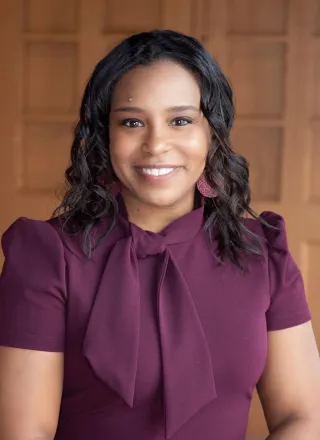
Sylvia Neil is a Licensed Mental Health Professional whose work focuses on trauma, relationships, grief, wellness, and emotionally healthy living. She provides therapy, workshops, and educational presentations for churches and nonprofits and brings a compassionate, practical, and clinically informed approach to topics related to healing, stigma reduction, and relational wellness. Her work frequently addresses the intersection of emotional health, trauma awareness, and culturally responsive care.
Breakout Session #1, Session B:
Comprehensive and Trans-Affirming Approaches to Addressing Body Image Disturbance (Speaker: Molly Maffeo)
This presentation offers a comprehensive, trans-affirming approach to body image treatment that integrates clinical expertise with current evidence-based practices. Participants will explore body image as a multidimensional and socially constructed experience shaped by identity, culture, trauma, and systemic oppression. The training emphasizes the critical distinction between body dissatisfaction and Gender Dysphoria, supporting clinicians in developing accurate case conceptualizations that avoid pathologizing gender identity.
Grounded in guidelines from the World Professional Association for Transgender Health and the American Psychological Association, this presentation introduces affirming adaptations of evidence-based modalities including CBT, ACT, DBT, and narrative therapy. Participants will learn how to apply these approaches through a lens of Minority Stress Theory, addressing the impact of stigma, discrimination, and internalized oppression on body image distress.
Clinical strategies will center on embodiment, body neutrality, and harm reduction, with attention to supporting autonomy and informed consent in gender-affirming care. The presentation also highlights interdisciplinary collaboration and the integration of medical and mental health treatment. Attendees will leave with practical tools to provide inclusive, ethical, and effective care for trans and gender-diverse clients experiencing body image concerns.
About Molly
Molly Maffeo, LCPC, is a licensed clinical professional counselor, a member of the World Professional Association for Transgender Health, and a mother of gender diverse children. She serves as the Lead Supervising Therapist and Community Outreach Specialist at Harper Grace Counseling, where she specializes in working with LGBTQIA++ youth and adults, with a particular focus on trans-affirming care, body image, and eating disorders.
Molly is the author of Body Love: A Comprehensive and Trans-Affirming Workbook for Improving Body Image and Managing Eating Disorder Symptoms, a resource designed to support both clinicians and clients in developing healthier, more affirming relationships with the body. She has presented locally within her community, advocating for inclusive, affirming practices that support the mental health and well-being of LGBTQIA++ youth.
In addition to her clinical and educational work, Molly actively collaborates with community organizations to promote positive body image and increase awareness of how systemic factors contribute to mental health disparities. Her work is grounded in Minority Stress Theory, highlighting how experiences of religious oppression, racial marginalization, and anti-trans stigma contribute to increased risk for body image disturbance. Through her writing and outreach, Molly is committed to advancing equitable, compassionate, and evidence-based care for marginalized populations.
Lunch N Learn:
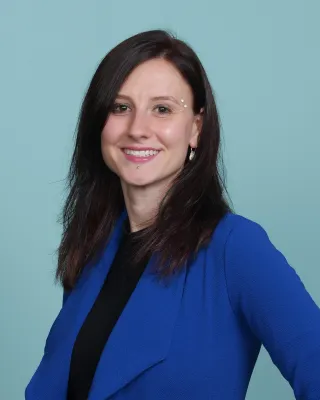
Your True Voice, Your Open Door: How Authentic Marketing Creates Belonging Before the First Session (Speaker: Emily Genoff)
Marketing is often the first moment a potential client decides whether they belong in your care. For therapists serving marginalized, underrepresented, or historically excluded communities, that first impression carries particular weight.
At BlueHarbor Creative Partners, we work exclusively with mental health professionals, and one pattern emerges consistently: therapists who market from their authentic voice attract the clients they are uniquely equipped to serve. Yet many practitioners either avoid marketing altogether or default to generic language that fails to reflect who they are and who they welcome.
This session explores what authentic, dignity-first marketing actually looks like in practice... from the content on your website and directories to how you visually and verbally signal belonging before a client ever reaches out. Drawing on ethical marketing frameworks and real-world examples from mental health practices, attendees will leave with a clear understanding of how to translate their values, clinical identity, and community commitments into marketing that is both effective and integrity-driven.
About Emily
With nearly 20 years of marketing experience and a studio built exclusively for mental health professionals, BlueHarbor Creative Partners has developed a deep, practice-specific understanding of what effective and ethical marketing looks like in the therapeutic field.
A core principle at BlueHarbor is that no one should sound like anyone else. We invest significant time learning each clinician's voice, language, values, and the specific communities they serve, so that every piece of content we produce sounds like it came from them, not from a generic marketing template. This process has revealed, time and again, that authenticity is not just an ethical standard; it is the single most effective marketing strategy a therapist can employ.
Breakout Session #2, Session C:
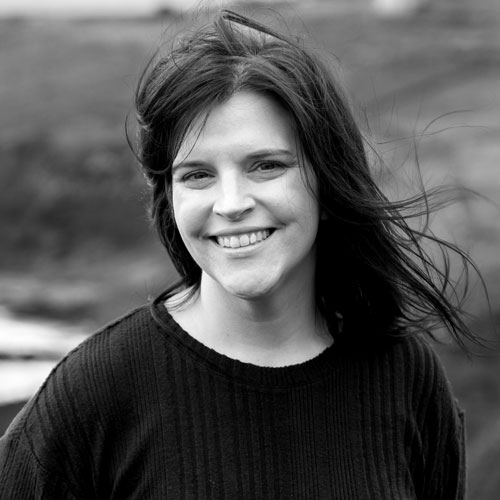
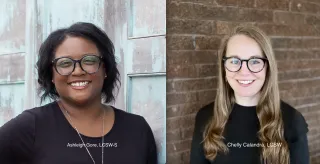
Beyond Compliance: Culturally Responsive Supervision (Speaker: Ashleigh Gore & Chelly Calandra)
Through this training, supervisors will examine how systems of power, such as racism, classism, ableism, and cis-heteronormativity, show up in supervisory relationships and organizational structures. Emphasis will be placed on the supervisor’s role in fostering anti-oppressive, culturally responsive clinical work with their supervisee, and in shaping ethical and inclusive practices within their role as supervisors. Through this training attendees will have tools to identify, address, and foster culturally responsive supervision.
About Ashleigh and Chelly
Ashleigh Gore, LCSW-S
Ashleigh Gore is a Licensed Clinical Social Worker and Board Approved Supervisor in the state of Texas. Ashleigh has been a clinician for 17 years and has experience working for non-profits, Employee Assistance Programs, and in private practice. She served in direct practice roles as well as leadership and executive leadership positions. Ashleigh is co-owner of The Aspen Alliance, PLLC where she provides individual therapy as well as clinical supervision to LMSWs, and training for clinicians and organizations. Ashleigh has over 10 years experience in training individuals, groups and organizations on anti-oppressive and anti-racist best practices. Her work is deeply rooted in trauma informed, culturally responsive care and liberatory practice.
Chelly Calandra, LCSW
Chelly Calandra is a licensed clinical social worker with extensive experience in trauma-informed care, intimate partner violence, and culturally responsive clinical practice. She is co-owner of The Aspen Alliance, PLLC, where she provides therapy, consultation, and training for clinicians and organizations. With advanced certifications in EMDR and Cognitive Processing Therapy (CPT), she specializes in treating high-acuity trauma and supporting survivors through evidence-based interventions. Chelly is also an experienced consultant and expert witness in cases involving domestic violence and sexual assault, and is passionate about expanding the capacity of mental health professionals through engaging, justice-informed training.
Ashleigh and Chelly have been partnering on anti-oppressive and anti-racist training for 10 years to promote and encourage clinicians to practice from an understanding of racial and liberatory justice. Ashleigh and Chelly have brought their training and expertise to University of Texas at Austin, Hogg Foundation, SAFE, and Austin Group Psychotherapy Society as well as to individual and group supervision spaces.
Breakout Session #2, Session D:
Seen, Heard, Human: Restoring Dignity in Systems of Care (Speaker: Wendy Hayum-Gross)
This training explores how dignity can be lost—and restored—within mental health and social service systems. Therapists often work inside structures shaped by productivity demands, documentation requirements, inequitable access, and systemic barriers that can unintentionally leave clients feeling unseen, powerless, or dehumanized. Drawing from the lived experiences of marginalized communities, this presentation examines how systems of care impact identity, agency, trust, and healing.
Participants will explore the difference between symptom-focused treatment and dignity-centered care while identifying common clinical practices that may inadvertently reinforce shame or disconnection. Through reflection, discussion, and practical strategies, therapists will learn how to create more humanizing therapeutic relationships by strengthening attunement, honoring client autonomy, using compassionate language, and acknowledging systemic realities without fostering hopelessness.
This training invites clinicians to move beyond compliance-based care and toward practices that restore humanity, connection, and belonging—both within the therapy room and throughout the broader systems clients must navigate.
About Wendy
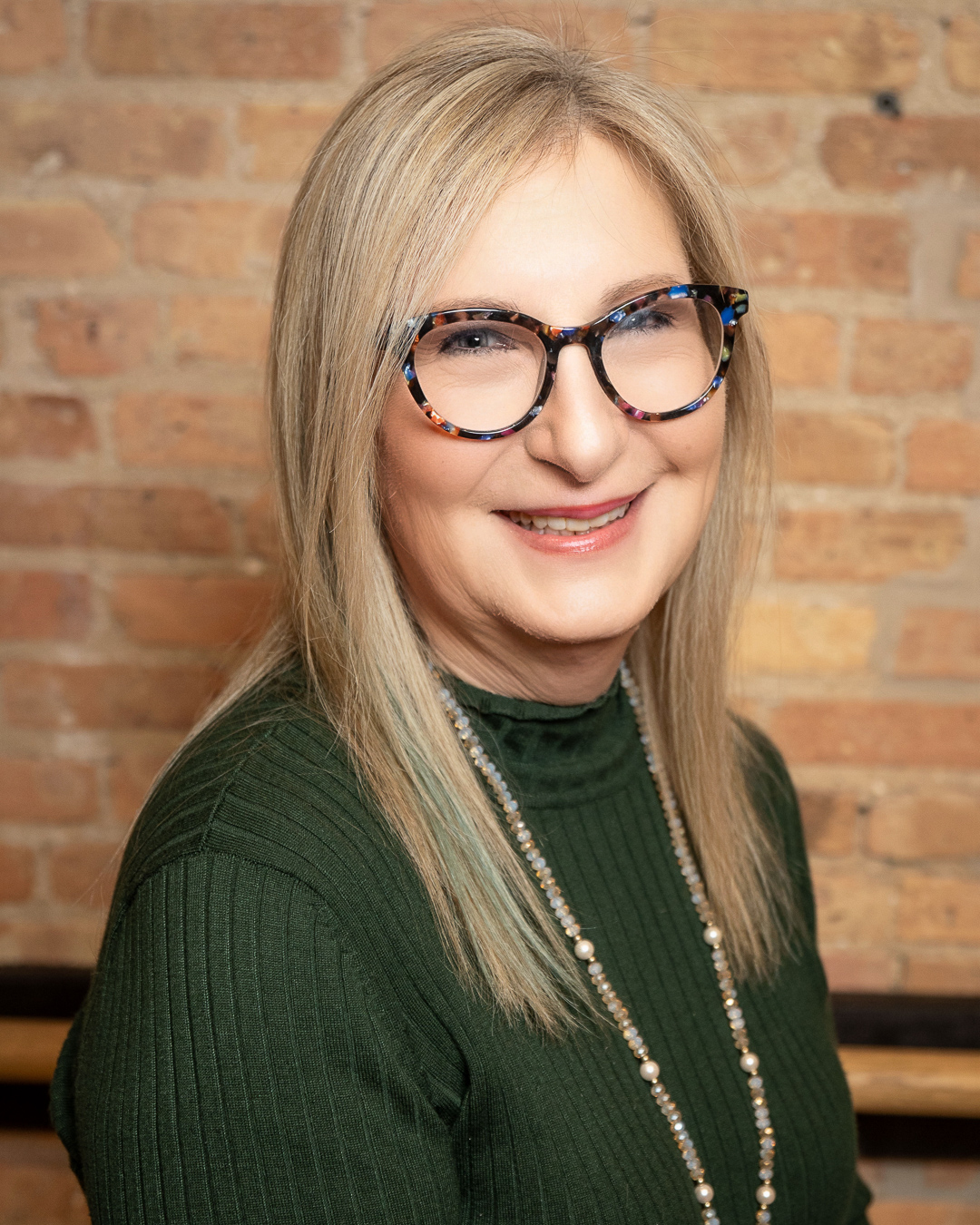
Wendy Hayum-Gross, MS, LCPC is a Licensed Clinical Professional Counselor and Founding Partner of Grow Wellness Group in Naperville, named one of the fastest growing companies in the country in 2024 by Inc.5000. In addition to her experience as an entrepreneur and former small business owner, Wendy brings extensive experience in advocacy, philanthropy and leadership to her work at Grow Wellness Group as well as her work in the community . She is co-founder and volunteer Executive Director of Grow Wellness Foundation which advocates for mental wellness and provides financial support for mental health access in Chicago’s Western suburbs.
Wendy serves on the DuPage Foundation Business Philanthropy Circle and is a member of 100 Women Who Care. She serves on the Board of Naperville Rotary Charities and has served as President of the Rotary Club of Naperville, and Assistant District Governor of Rotary District 6450. She has also served on the Naperville Township 708 Mental Health Board and the Boards of Loaves and Fishes Community Services, Project HELP DuPage and NCTV-17 Naperville Community Television.
Breakout Session #3, Session E:
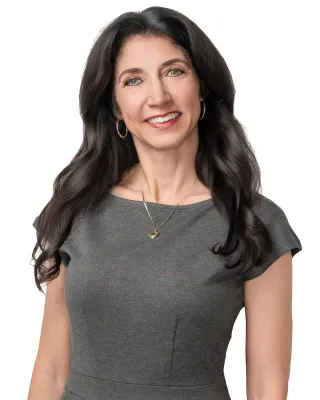
Unseen Grief: Mindfulness Practices for Ambiguous Loss in Chronic Illness (Speaker: Dr. Kristie Brendel)
This presentation explores the concept of ambiguous loss and its relevance for individuals living with chronic illness. Drawing from the developing workbook "Unseen Grief: A Mindfulness Guide to Ambiguous Loss in Chronic Illness," the presentation highlights the often-overlooked grief experienced by individuals navigating ongoing health conditions. Unlike traditional grief, ambiguous loss often lacks closure or clear resolution, leaving individuals managing persistent uncertainty, identity disruption, and emotional distress. Because these losses are frequently invisible or difficult to define, they may go unrecognized or unaddressed within clinical settings. This presentation introduces a clinical framework for recognizing and responding to ambiguous loss in therapeutic practice.
Drawing on current research and evidence-based practices, this presentation examines the important role clinicians play in normalizing and validating these experiences within the therapeutic relationship. Through discussion and brief experiential practices, attendees will engage with key mindfulness concepts that can be integrated into clinical work to support client wellness. Attendees will leave with practical strategies they can apply in their work with individuals experiencing chronic illness, ambiguous losses, and ongoing uncertainty.
Breakout Session #3, Session F:
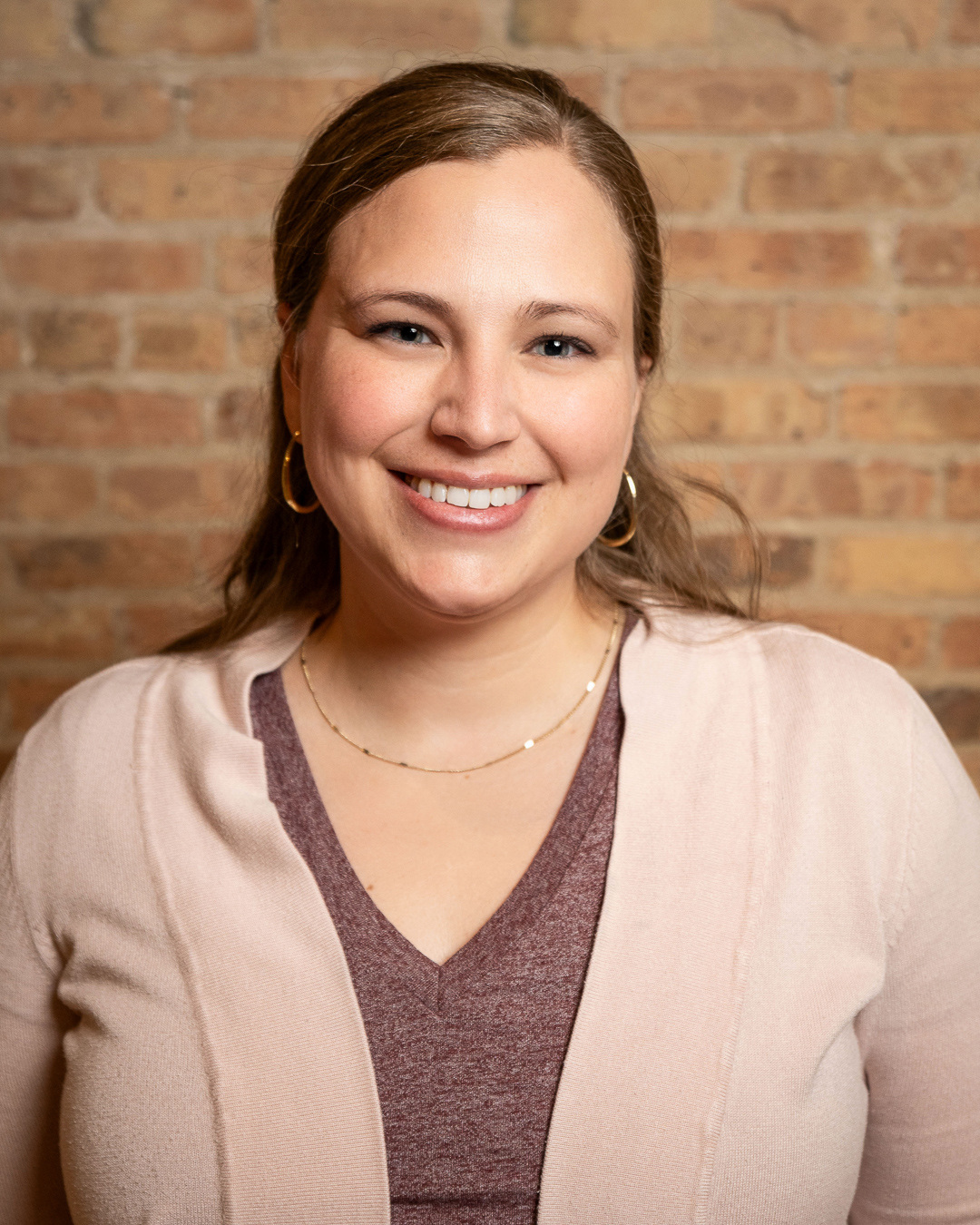
Misunderstood and Afraid to Say It: Cultivating Rightful Presence in Postpartum OCD (Speaker: Sarah Anteliz)
The postpartum period is commonly understood as a tender and vulnerable time that places new parents at risk for baby blues, depression, and other emotional challenges. Postpartum OCD, however, remains far less talked about and frequently misunderstood by clinicians, medical providers, and new parents themselves. New parents often do not understand what they are experiencing and may hesitate to share intrusive thoughts, fearing villainization or exclusion from the “normal” parenthood experience. Early disclosure can be fragile, and clinician responses may determine whether clients feel safe enough to continue sharing.
This workshop uses a lived-experience narrative to illustrate the “rug pulled out” transition many people describe when they are thrown into the postpartum OCD experience. Participants will explore the internal experience of intrusive thoughts, and the impact of clinical responses once disclosure begins. Small but impactful differences in care can shift clients from feeling pathologized to having a sense of belonging. The workshop provides practical approaches for supporting clients through postpartum OCD, while also increasing clinician confidence.
About Sarah
Sarah is a Licensed Social Worker (LSW) working in a private practice setting. Her clinical work includes supporting clients experiencing intrusive thoughts, anxiety, and life transitions. She integrates CBT-informed and narrative-informed approaches, with an emphasis on validation, meaning-making, and non-pathologizing conversations. Sarah's interest in postpartum OCD is informed by both clinical practice and lived experience, with a focus on how clinician responses following disclosure can shape understanding, belonging, and client safety.
Closing Reflective Workshop:
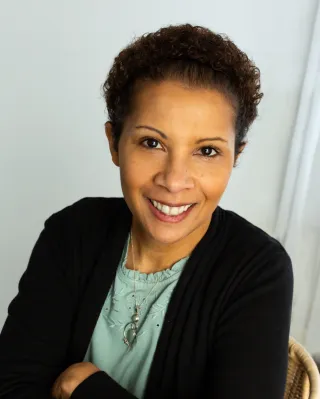
The Embodiment of Oppression and Decolonizing Therapy Practices (Speaker: Becky Carter)
This presentation explores history of colonialism and its relationship to oppression. Both the discriminatory and exploitative elements of oppression will be discussed. In addition, participants will learn ways in which some of the current and past models of therapy struggle to meet the needs of people of color and other marginalized populations.
Becky will share the importance of shifting to a more humanizing and embodied approach to client care. The impact of oppression and systemic racism can only be effectively addressed within a therapeutic relationship that is actively non-oppressive.
Participants will discuss a model of therapy that is decolonizing, cultivates embodied liberation, and supports the nervous system’s need for resourcing and rest. Elements of anti-capitalist therapy and ways to shift toward a collective and community model of trauma and therapy work will be discussed.
About Becky
Becky is a somatically trained trauma specialist. I bring more than two decades of experience in helping people of all cultural backgrounds and genders heal the wounds of relational trauma that occur in utero and beyond. I am trained in both Somatic Experiencing and Transformative Touch Therapy.
As a biracial, cisgender, transracially adopted female whose ancestors are West African and Sicilian, she has a particular capacity and interest in racial trauma, adoption, racial identity, & intergenerational trauma. She is a LGBTQIA2S+ affirming therapist.
In her practice, she strives to create a space where clients can understand, through a new lens, the impact of trauma, stress and pain on their whole being.
Register Today
Reserve Your Spot
Complete this to secure your spot at the Symposium.
STILL NOT SURE?
Frequently Asked Questions
Below are some frequently asked questions to help you feel prepared
and confident leading up to the event.
Where will the Symposium be located?
NIU Naperville
1120 E. Diehl Rd.
Naperville, IL 60563
Phone: 815-753-8434
How many CEUs will you get?
7 CEs - LMFT, LCPC, LCSW, Licensed Psychologist
What sessions will be offered?
10:15 – 11:15 AM — Breakout Session Block #1
Session A:
Sylvia Neil, Trauma-Informed Therapy for African American Couples: Culturally Responsive Approaches for Healing, Connection, and Relational Resilience
Session B:
Molly Maffeo, Comprehensive and Trans-Affirming Approaches to Addressing Body Image Disturbance
11:30 AM – 12:30 PM — Lunch & Learn
Emily Genoff, Your True Voice, Your Open Door: How Authentic Marketing Creates Belonging Before the First Session
12:45 – 1:45 PM — Breakout Session Block #2
Session C:
Chelly Calandra, Beyond Compliance: Culturally Responsive Supervision
Session D:
Wendy Hayum-Gross, Seen, Heard, Human: Restoring Dignity in Systems of Care
2:00 – 3:00 PM — Breakout Session Block #3
Session E:
Dr. Kristie Brendel, Unseen Grief: Mindfulness Practices for Ambiguous Loss in Chronic Illness
Session F:
Sarah Anteliz, Misunderstood and Afraid to Say It: Cultivating Rightful Presence in Postpartum OCD
3:00 – 3:45 PM — Closing Session or Reflective Workshop
Becky Carter, LCPC The Embodiment of Oppression and Decolonizing Therapy Practices
Speaker Line-Up
We understand lorem ipsum dolor sit amet, consectetur adipisicing elit.
Sofia Young
[Team Member Name] is a skilled professional with extensive experience in [industry/field]. Passionate about [specific aspect of the job or industry], [he/she/they] deliver(s) exceptional results and drive(s) success for our clients.
Head of Marketing


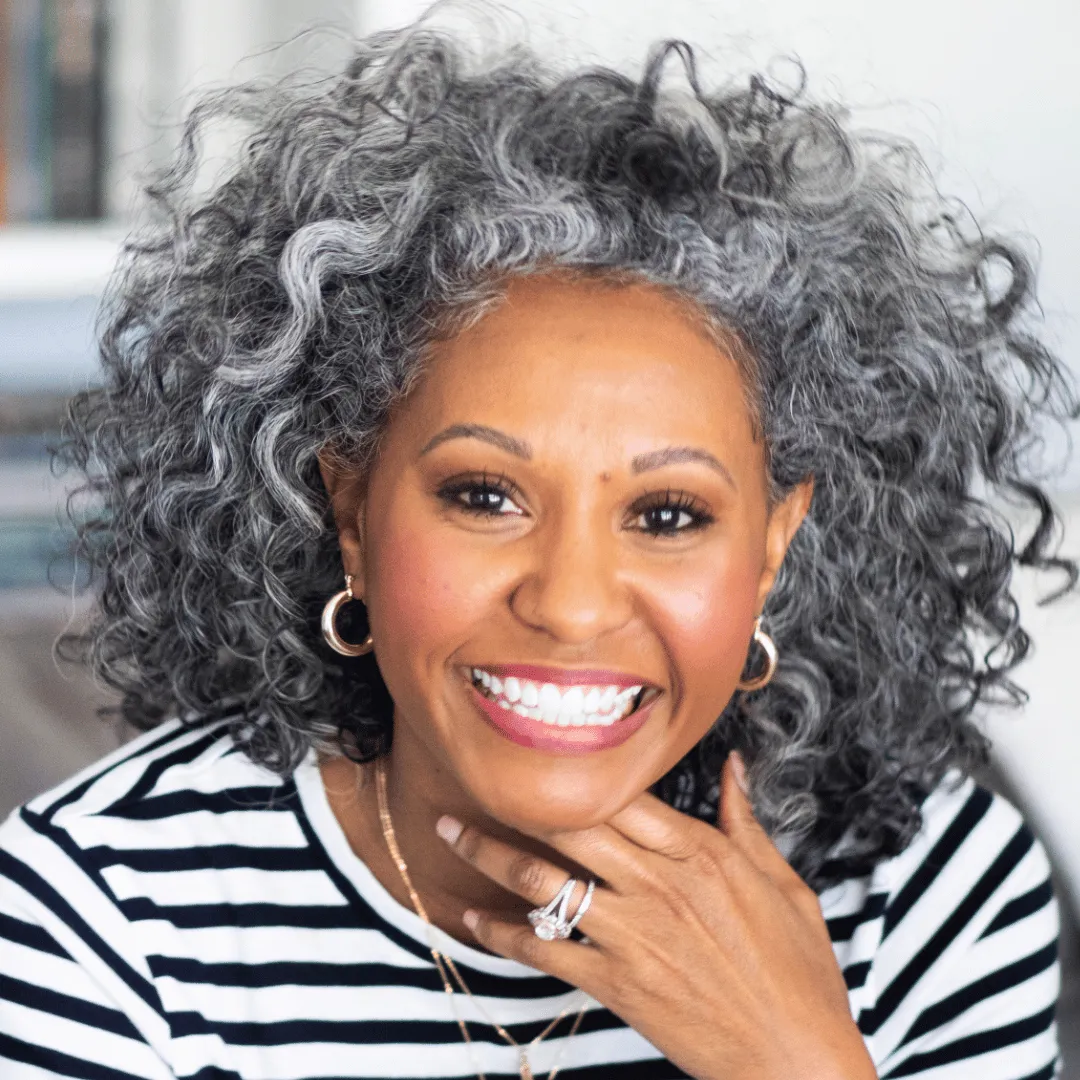
Emma Johnson
[Team Member Name] is a skilled professional with extensive experience in [industry/field]. Passionate about [specific aspect of the job or industry], [he/she/they] deliver(s) exceptional results and drive(s) success for our clients.
Project Manager
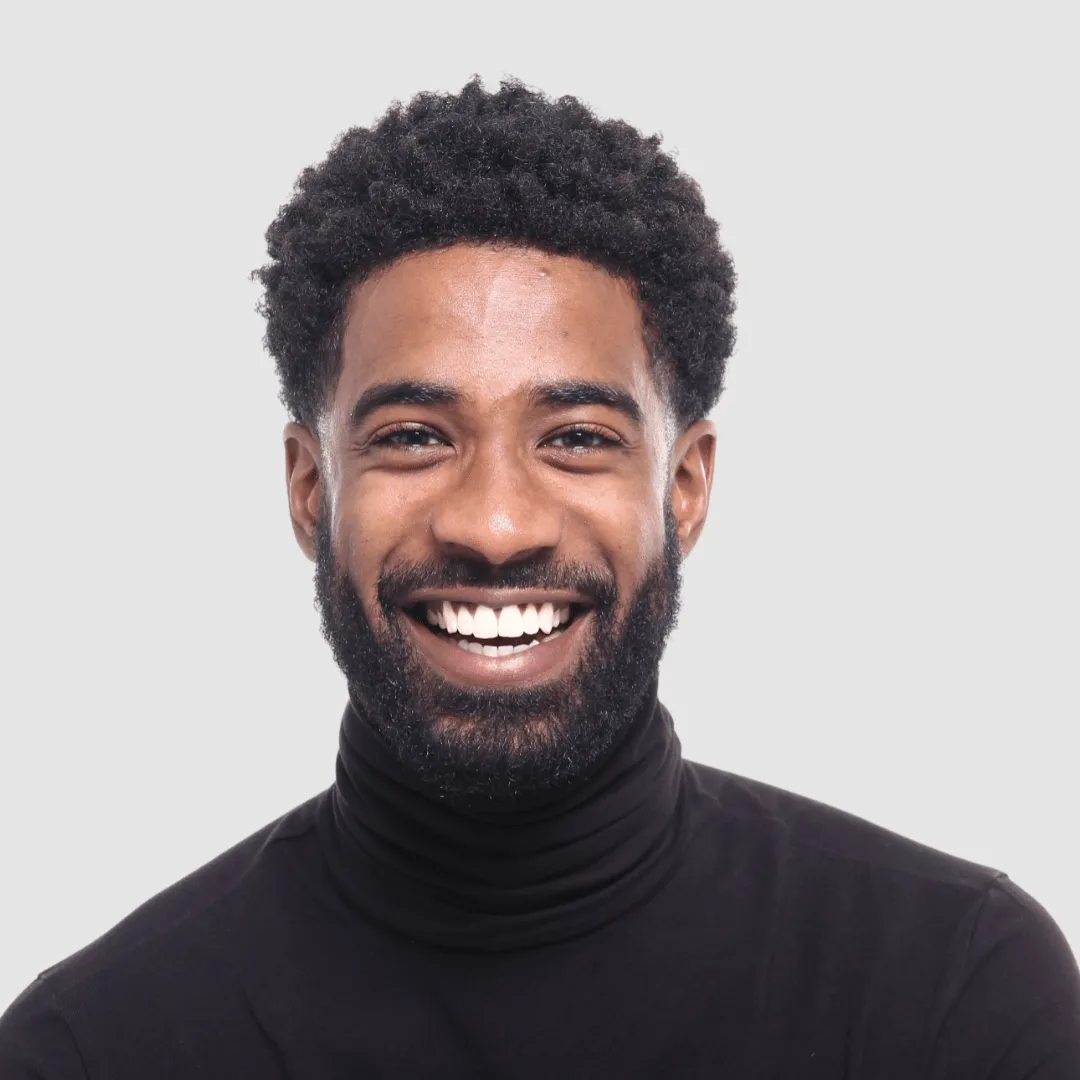
Liam Carter
[Team Member Name] is a skilled professional with extensive experience in [industry/field]. Passionate about [specific aspect of the job or industry], [he/she/they] deliver(s) exceptional results and drive(s) success for our clients.
Creative Director
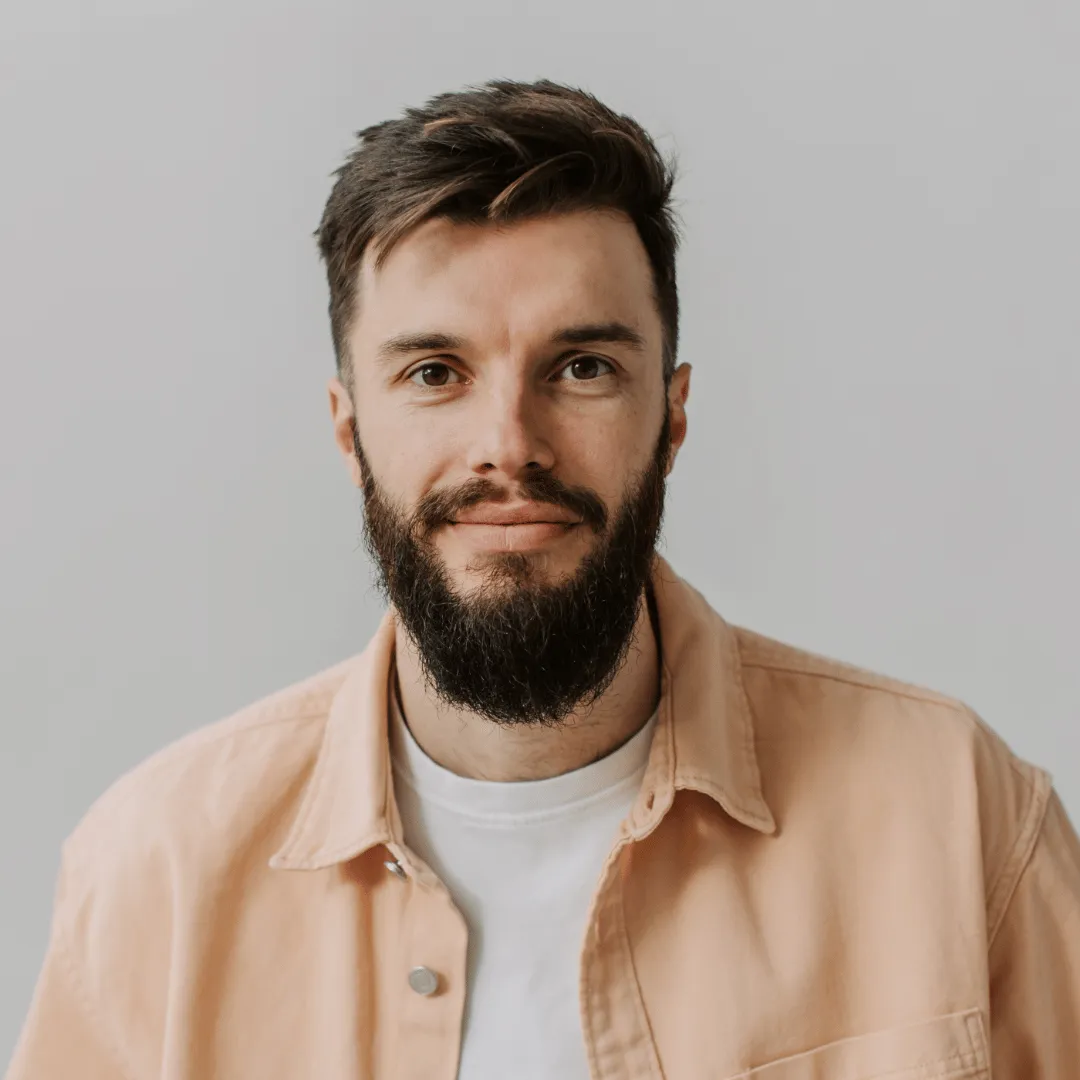
Noah Mitchell
[Team Member Name] is a skilled professional with extensive experience in [industry/field]. Passionate about [specific aspect of the job or industry], [he/she/they] deliver(s) exceptional results and drive(s) success for our clients.
Marketing Specialist
Partner With Us
Ready to join us in creating spaces of belonging and healing?
Complete the Partner Enrollment Form to confirm your support and stand
alongside others committed to justice-centered care.





Become A Speaker
Share Your Voice. Inspire Change.
Graceful Therapy invites changemakers, clinicians, creatives, advocates, and community leaders to apply to speak at our second annual Community Care in Action Symposium
— a gathering of hearts and minds committed to grace-filled, inclusive, and trauma-informed care. Whether you’re a seasoned speaker or sharing your story for the first time, we believe your voice matters.
Get In The Room
Check-out images from our last Community Care In Action Symposium.


Copyrights 2025 | Graceful Therapy | Terms & Conditions